

MODE OF ACTION
- The cells of fungi are permeable to sulfur, which in the cytoplasm affects the mitochondrial respiratory chain.
- There may be a transfer of hydrogen ions to sulfur, instead of a transfer to oxygen, producing toxic hydrogen sulfide.
- Sulfur can rapidly oxidize protein and non-protein sulfhydryl groups.
- This phenomenon can alter the flow of electrons in the respiratory chain and, consequently, oxidative phosphorylation, resulting in fungotoxicity.
- A plant defense mechanism against pathogens is the release of hydrogen sulfide. The accumulation of sulfur may be associated with a hypersensitivity response of the plant to the pathogen, controlled by the expression of many genes.
- The sulfur applied to the leaf can be absorbed and metabolized acting as a defense agent against pathogens, or it can be converted into sulfate or other sulfur compounds.
CONDITIONS FOR APPLYING AZOFOS FOR CULTIVATION
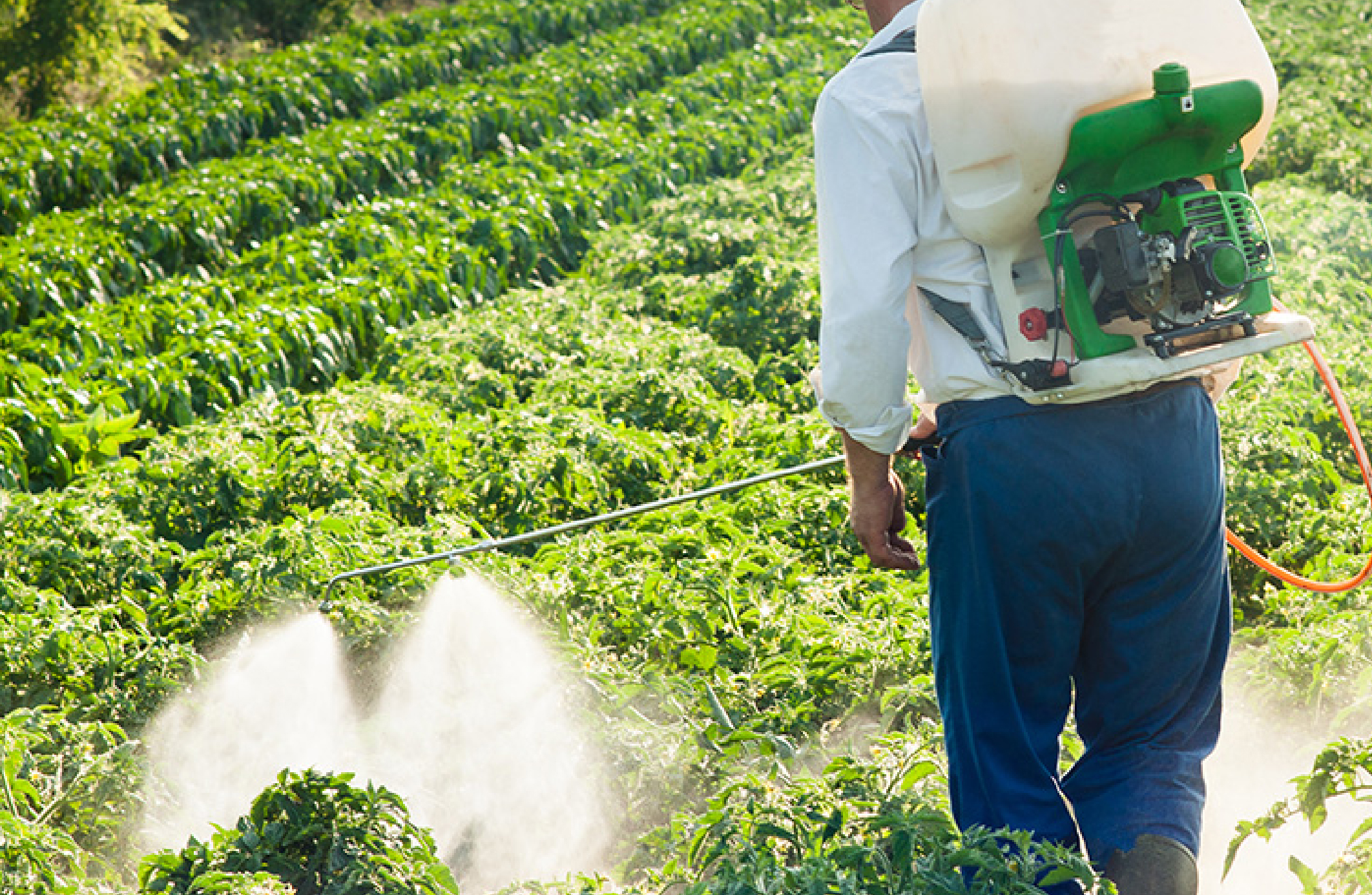
Like any phytosanitary product, sulfur also requires certain application standards and has certain requirements, which are discussed below:
- Do not apply at high temperatures.
- It should not be mixed with oils or alkaline reaction elements.
- It does not apply to crops whose fruits are intended for canning.
- It should not be applied on artichokes or varieties of sensitive fruit trees (pears, apricots or apples, for example)
However, it is a product that is not very comfortable to use, at least when it is in a solid form (powder). We find it as a powder for dusting, which means that if we are not very careful, we will end up losing a lot of sulfur; furthermore, it can be irritating.
A mistake that many farmers often make (and quite often) due to ignorance is applying sulfur to their crops when temperatures are high. Although the technician advises them not to do so, many choose to proceed, with the risk it poses to their plants.
Why?
The range of action of sulfur is very limited by temperature, especially as a fungicide. It acts from 20 ºC and causes many problems when the thermometer exceeds 30 ºC.
When temperatures are very high, above 30-35 ºC, the sulfur dust goes into a gaseous state, mainly because the dust is very fine and enters through the plant’s pores, known as stomata, which are located on the epidermis of the plants (especially on the underside of the leaves). Inside the plant, it absorbs oxygen and turns into SO2 (Sulfur dioxide).
Depending on the humidity conditions inside the plant, it oxidizes and turns into SO3 (sulfur trioxide).
Sulfur trioxide is a corrosive substance considered a hazardous substance, when the sulfur trioxide that is found inside the plant absorbs moisture (water), a very interesting chemical modification occurs:
A substance that is capable of be corrosive to the Organic tissue, whether vegetal or animal. An acid rain is produced inside the plant, without the plant knowing it.
_________________________________
RECOMMENDED PRODUCTS
The plastic PENTACAPA It is able to resist pesticides of 1500ppm Sulfur and 150ppm Chlorine; in addition, it has IR additives that help maintain an optimal temperature for cultivation, helping to keep the temperature inside the greenhouse or macro tunnels cooler during the day and at night while maintaining the temperature.





 Jorge Gross
 Juan Carlos Madrigal
 Sigifredo Murillo
 Gerardo Montiel

 Carlos Vargas