

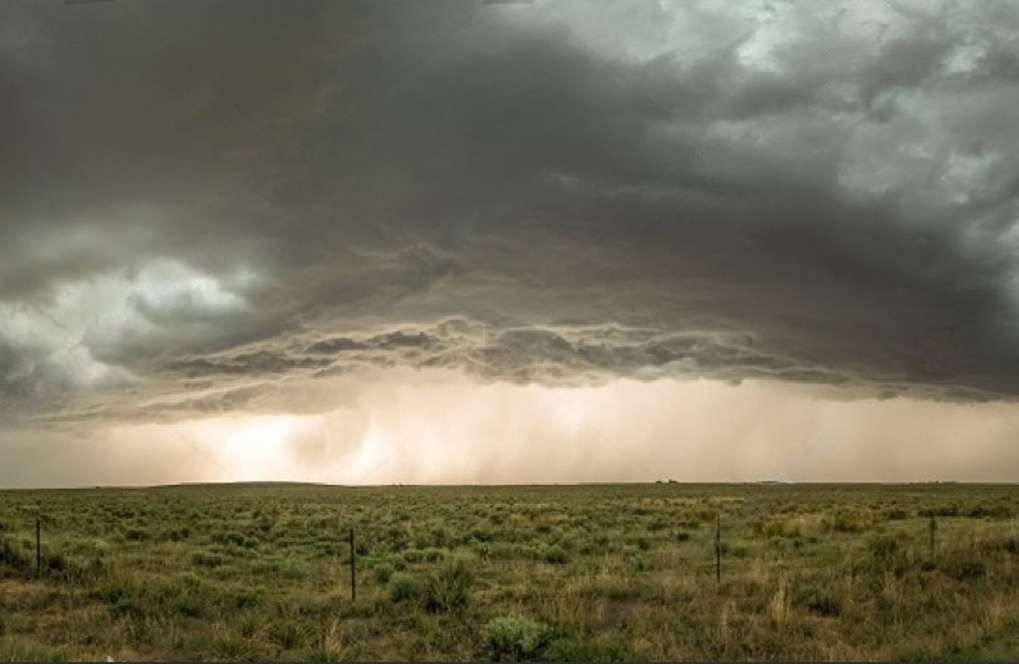
If rain is your plants' best ally, hail is definitely their worst enemy. During the rainy season, the chance of witnessing this meteorological phenomenon increases significantly, so it's important to know how to protect them so that they don't get damaged after a storm.
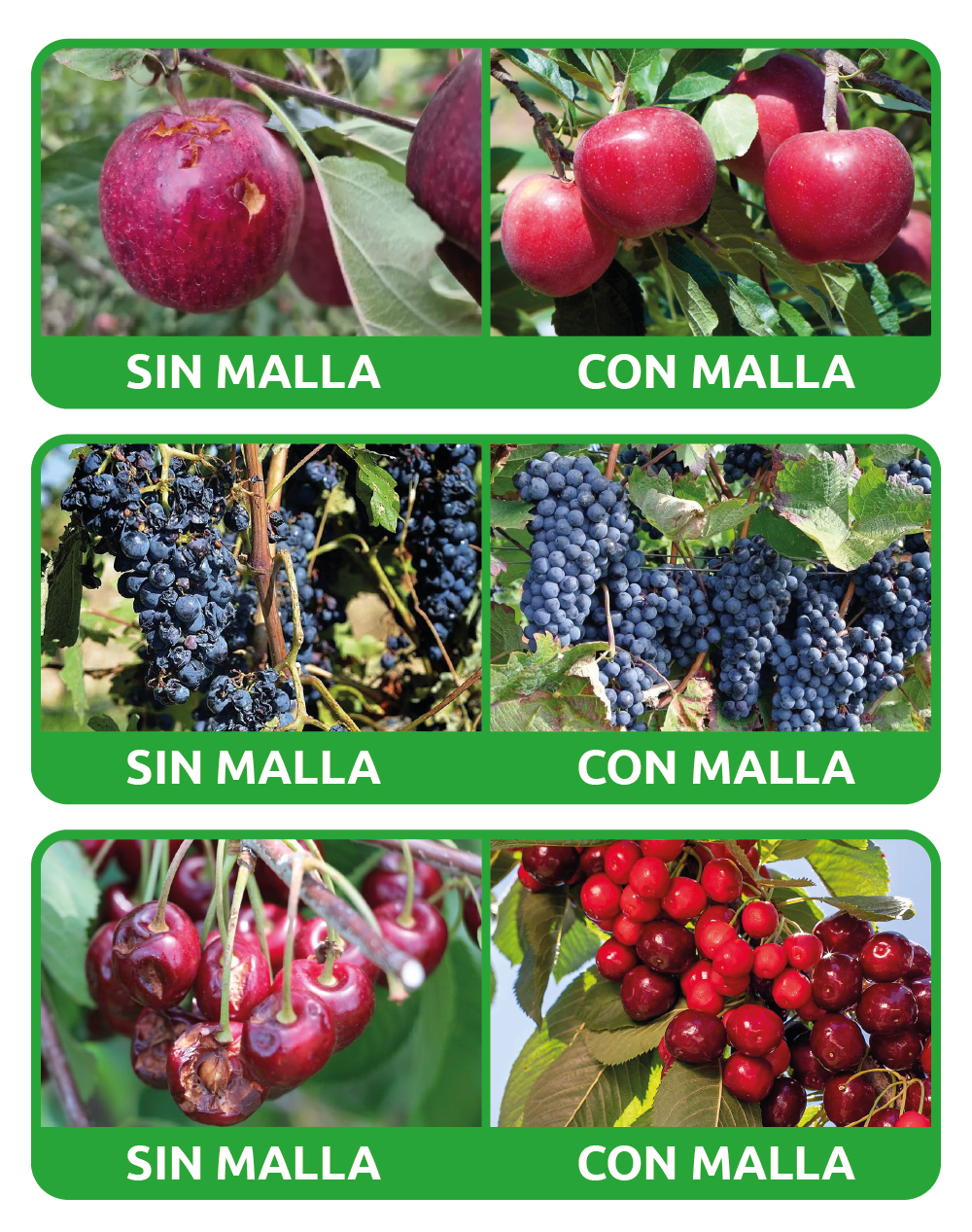
Hail is a hydrometeorite, composed of particles of water in solid state (i.e., frozen, made into ice) that can be spherical, smooth-surfaced or irregular. Its size can vary between 5 mm and 12 cm but there have been cases where it has reached 20 cm.
The damage caused by hail on crops can be slight breaks in the leaves or small bruises on the fruits, until they completely destroy the crop. Therefore, plants that have minor damage do not devote themselves to growing; they remain in the generative period, especially dedicated to trying to heal their wounds, completely forgetting about growing.
To counteract the damage, different types of applications are made depending on the damage caused by the hail:
+ Application of secants
+ Fungicides
+ Leaf nutrients or amino acids that would be responsible for preventing problems in the crop, such as helping to improve damage a little faster without having such large economic losses.
How to protect your plants of the hail?
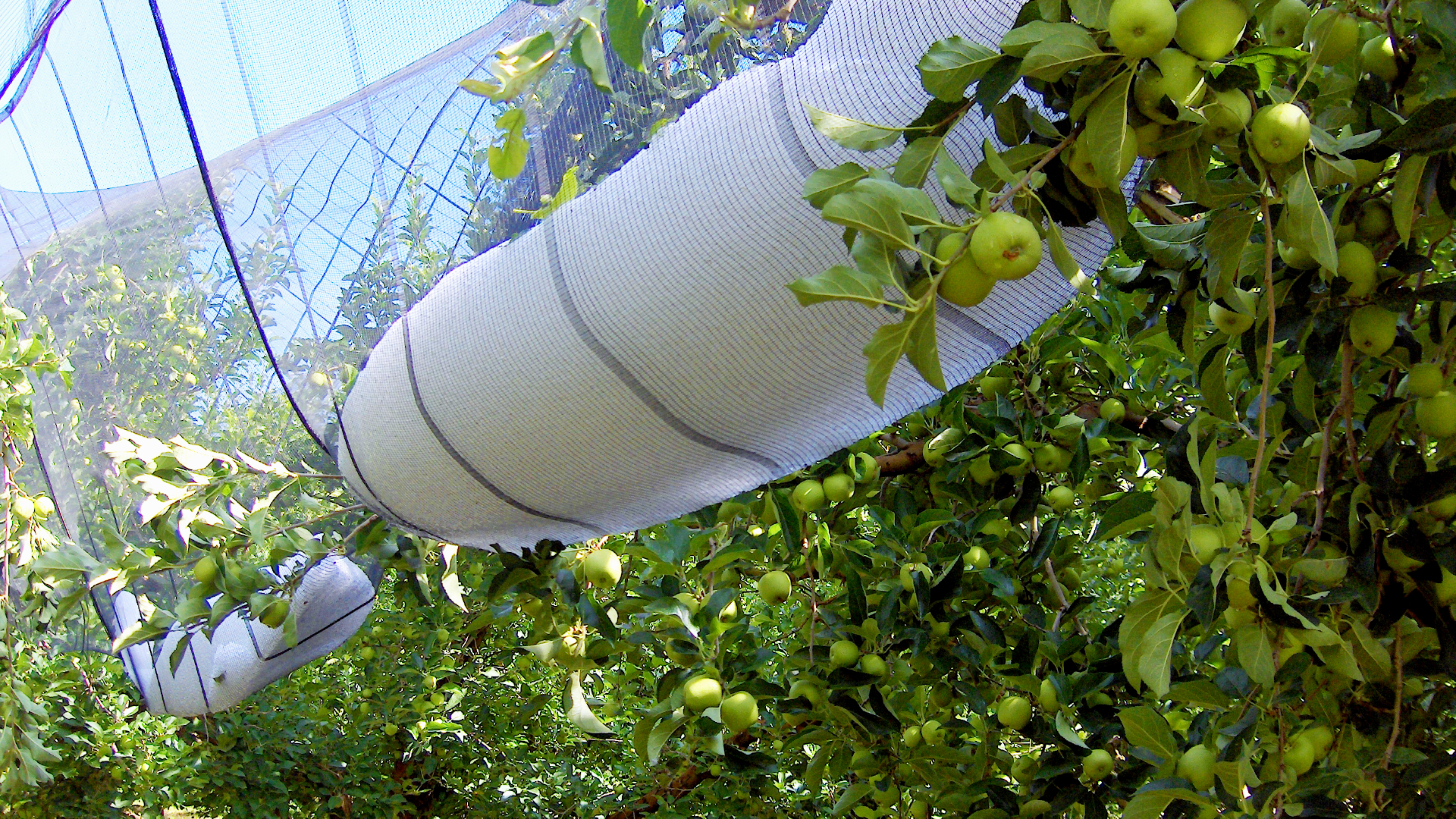
ANTIGRANIZO REFORCED
SOMBRA LENO GV 8%, 11%, 16%,18% and 20%





 Jorge Gross
 Juan Carlos Madrigal
 Sigifredo Murillo
 Gerardo Montiel

 Carlos Vargas